主讲人:Nam Seok Kim 教授 韩国对外经济政策研究院(Korea Institute for International Economic Policy, KIEP)
主持人:熊泽源 助理教授(中国经济研究院)
嘉宾介绍:熊泽源 助理教授(中国经济研究院)
时间:2026年1月16日(周五) 10:00-11:30(北京时间)
地点:辽宁大学崇山校区五洲园一楼会议室
线上地址:腾讯会议962-251-737
语言:英文
摘要:This paper studies how individual exposure to the Global Value Chain (GVC) explains trade barrier preference. Using the cross-country individual-level survey data, we calculate the degree of exposure to GVC for every respondent. We show that GVC exposure significantly explains individual attitudes towards protectionist trade policy. However, the marginal effect of exposure to GVC differs according to the national income level and factor endowment of respondents’ countries. In a high-income (capital-abundant) country, respondents with more exposure to GVC prefer a lower trade barrier. However, in a low-income (labor-abundant) country, individuals who are more exposed to GVC prefer a higher trade barrier. These findings add the dimension of GVC to the existing stylized facts. As economic agents face heterogeneous gains from trade, they also face heterogeneous welfare gains from participating in GVC. Our estimations confirm that this heterogeneity is reflected in individual opinions on trade policy. As the political economy of trade policy has become more pivotal in forming election coalitions and political cleavage, our estimation results resonate with the importance of policy coordination, which can relieve the inequalities caused by GVC participation.
主讲人简介:
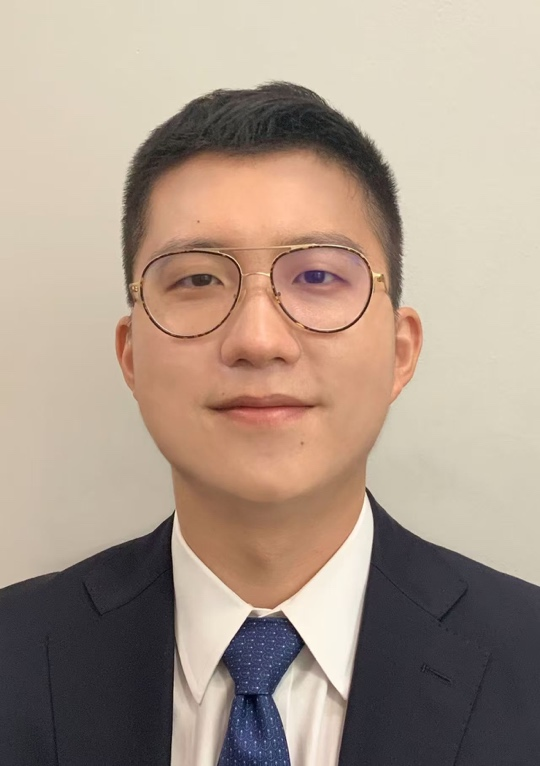
Nam Seok Kim,韩国对外经济政策研究院(Korea Institute for International Economic Policy, KIEP)东南亚·大洋洲负责人兼高级研究委员,Hanyang University全球文化与商务学部兼任教授。2022年毕业于美国雪城大学,获经济学博士学位,研究方向包括国际贸易、政治经济学、经济增长以及东南亚经济,并在国际经济学领域学术期刊上发表多篇论文,包括 Asian Economic Papers、Journal of Economic Behavior & Organization 等。同时作为韩国政府智库成员参与和完成多篇资政和政府项目,其研究主要聚焦于全球化、结构变迁及选民保护主义等议题。目前亦担任Springer Nature Business and Economics 编委,并为多家国际学术期刊审稿。

